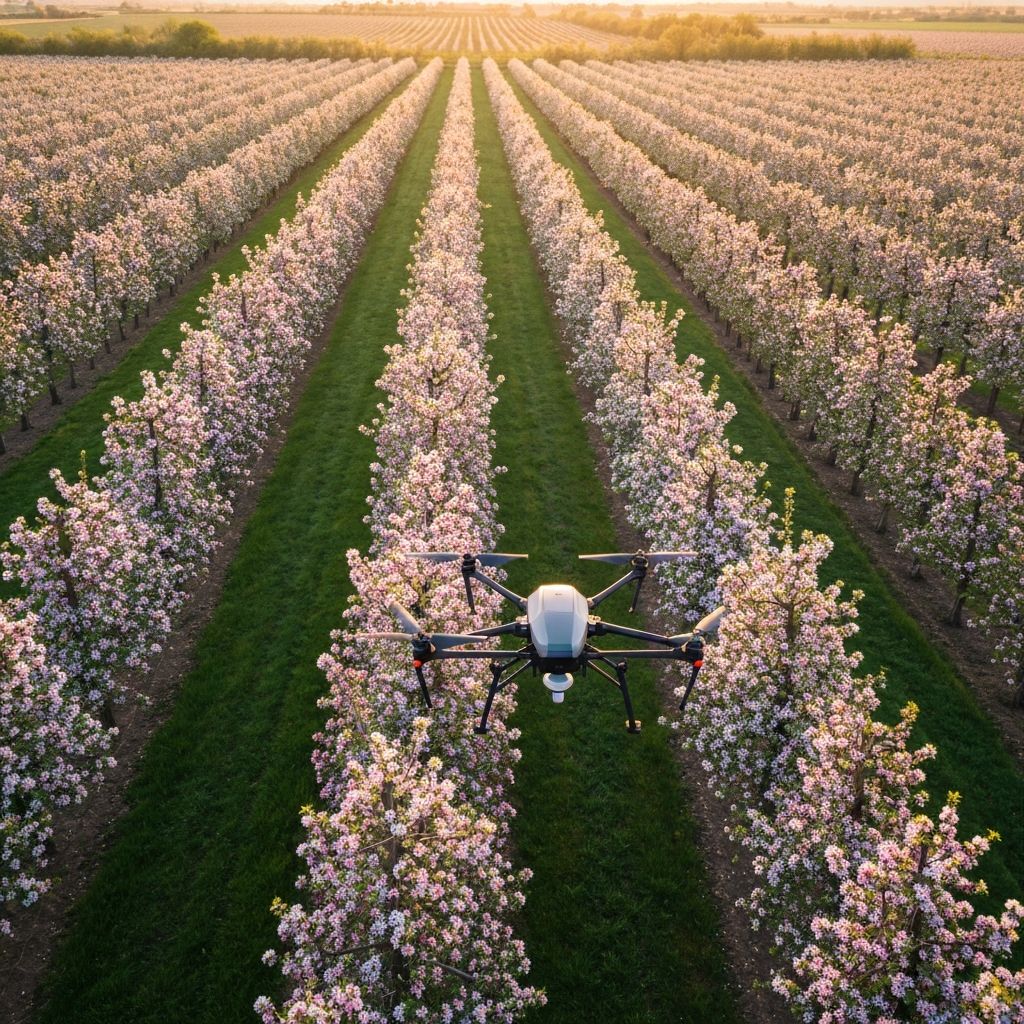
Turn Every Blossom Into Fruit and Profit
BeeBot delivers targeted, AI-guided pollen delivery for open-field orchards, helping farmers reduce labor and pollen waste while supporting more reliable pollination during bloom.
Natural Pollination Is Becoming Less Reliable
Commercial apple growers face increasing uncertainty during the short bloom window, where successful pollination directly affects fruit set, yield quality, and income.
Declining Bee Populations
Bee populations are declining due to pesticides, diseases, climate change, and habitat loss. Managed honeybee colonies declined by 59% in North America and 25% in Central Europe, reducing natural pollination reliability.
Short Bloom Window
Apple flowers are only receptive for a limited time, so missed pollination can reduce yield potential.
Weather Dependency
Bee activity drops under poor bloom weather, especially in high-elevation orchards where conditions are often colder and windier. Bees generally forage best around 20-30°C, while rain can stop flight and wind above about 1.6-6.7 m/s can reduce foraging efficiency.
High Labor Needs
Manual or assisted pollination can require significant labor, making it difficult to scale.
Pollen Cost & Waste
Pollen can be expensive, and non-targeted methods may waste valuable pollen.
Unstable Yields
Insufficient pollination leads to inconsistent fruit set, affecting yield quality and farmer income.
Precision Pollination in Three Steps
Detect Flowers Using AI
Computer vision identifies flower locations and potential pollination targets in the orchard.
Navigate Rows Autonomously
The drone moves through orchard rows using autonomous navigation and obstacle-aware flight planning.
Deliver Targeted Pollen
A nozzle-based system delivers pollen toward selected flowers, reducing waste and improving pollination consistency.
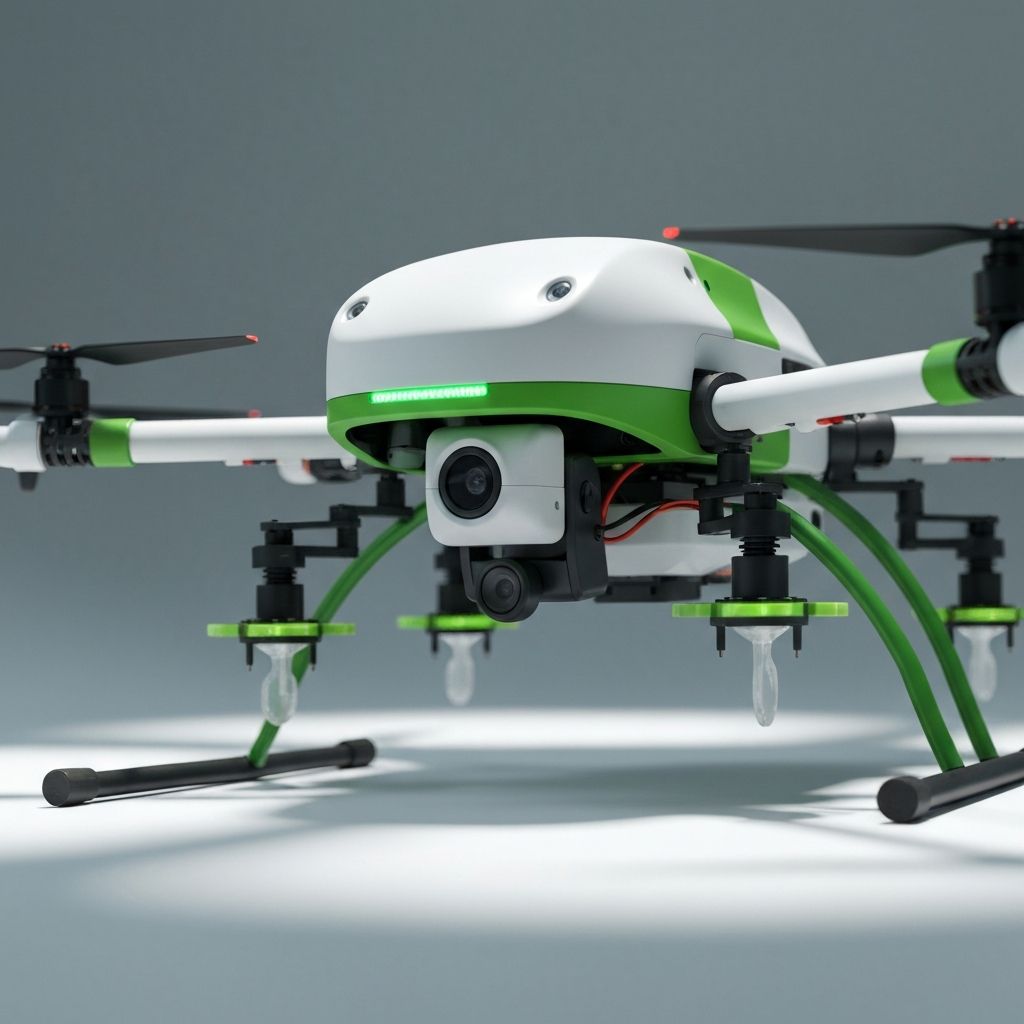
Drone Components
Supporting More Reliable Orchard Pollination
Targeted Pollination
AI-guided flower detection and nozzle-based delivery help apply pollen more precisely.
Lower Labor Needs
Autonomous operation reduces dependence on manual pollination support.
Reduced Pollen Waste
Targeted delivery uses pollen more efficiently than broad application methods.
Support During Limited Bee Activity
BeeBot can support pollination when bees are less active due to cold, wind, rain, or limited hive availability.
Scalable Orchard Coverage
Designed for medium- to large-scale open-field orchards.
Better Fruit Set Potential
More consistent pollen delivery can support better fruit set and yield quality.
Ready to see these results in your orchard?
Schedule an introductory call to learn how BeeBot can support your pollination operations and improve your bottom line.
Smarter Pollination for Modern Orchards
See how BeeBot's autonomous pollination technology compares to traditional methods.
| Feature | BeeBot | Traditional Methods |
|---|---|---|
| Pollination Precision | AI-guided targeted pollen delivery | Variable and less targeted |
| Labor Needs | Autonomous operation with supervision | High seasonal labor needs |
| Pollen Use | More efficient pollen application | Higher pollen waste in broad/manual methods |
| Consistency | Repeatable delivery process | Depends on bees, weather, or worker skill |
| Data & Insights | Flower detection and bloom mapping | Limited or no data collection |
| Autonomy & Intelligence | Drone navigation + AI-based targeting | Mostly manual or passive methods |
Pollination Precision
AI-guided targeted pollen delivery
Variable and less targeted
Labor Needs
Autonomous operation with supervision
High seasonal labor needs
Pollen Use
More efficient pollen application
Higher pollen waste in broad/manual methods
Consistency
Repeatable delivery process
Depends on bees, weather, or worker skill
Data & Insights
Flower detection and bloom mapping
Limited or no data collection
Autonomy & Intelligence
Drone navigation + AI-based targeting
Mostly manual or passive methods
In Collaboration With
Developed in partnership with leading agricultural research institutions at the American University of Beirut.

Faculty of Agricultural and Food Sciences
The Faculty of Agricultural and Food Sciences (FAFS) at the American University of Beirut is a leading institution in agricultural research and education in the Middle East. Our collaboration leverages their expertise in sustainable agriculture, plant sciences, and agricultural technology development.
Agricultural Research and Education Center (AREC)
The Agricultural Research and Education Center (AREC) in the Bekaa Valley serves as our primary testing and development facility. This 101-hectare research station provides the ideal environment for real-world validation of BeeBot's autonomous pollination technology. We are currently validating our system on apple crops at AREC.
- Apple crop validation
- Real-world field testing
- Climate-diverse conditions
- Academic research support
Research-backed technology with institutional validation
Let's Discuss Your
Orchard's Future
Ready to transform your orchard's pollination? Schedule a call to discuss how BeeBot can work for your operation, or send us a message with your questions.
Book an Introductory Call
30-minute consultation to explore your needs
Email us directly
info@bee-bot.coSend a Message
Have questions? Fill out the form and we'll get back to you within 24 hours.
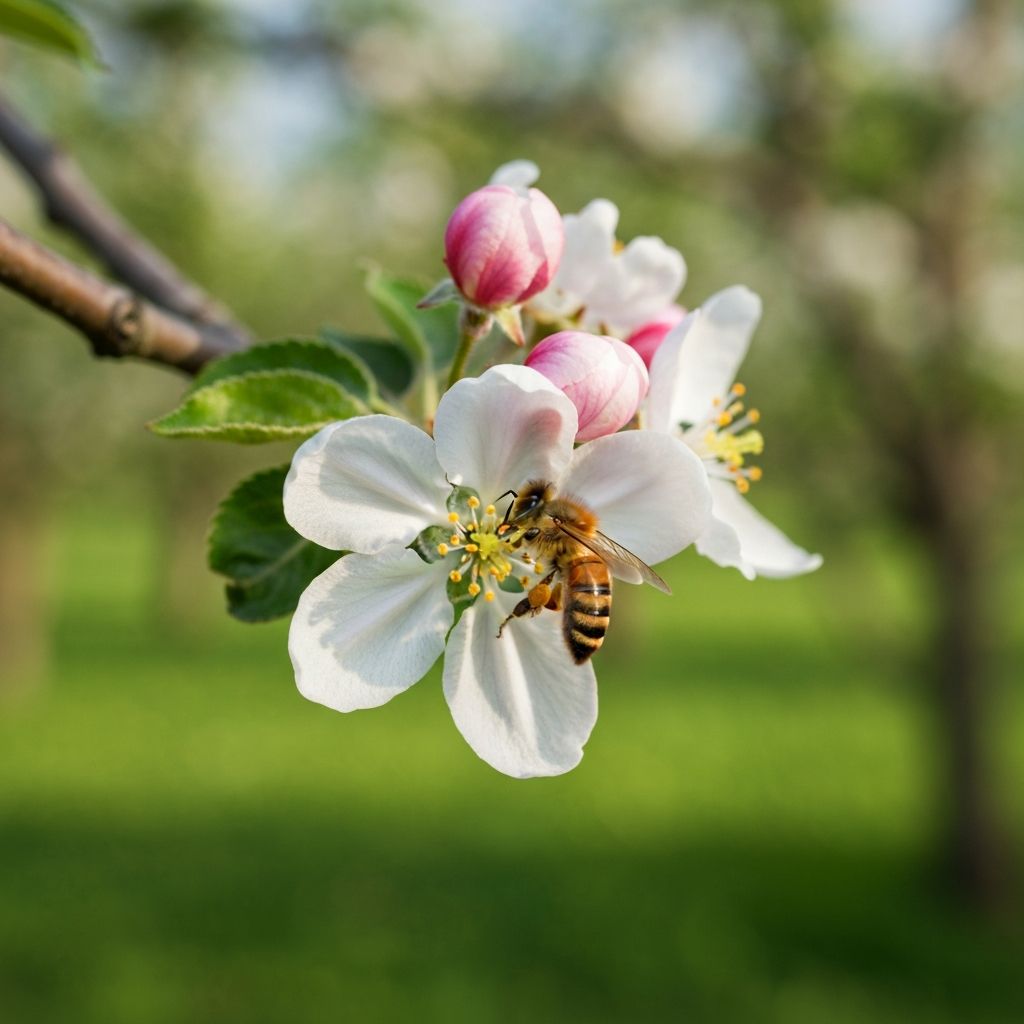
Ready to Transform Your
Orchard's Pollination?
Join forward-thinking growers who are securing their harvests with autonomous pollination technology. Schedule a call to see how BeeBot can work for your operation.